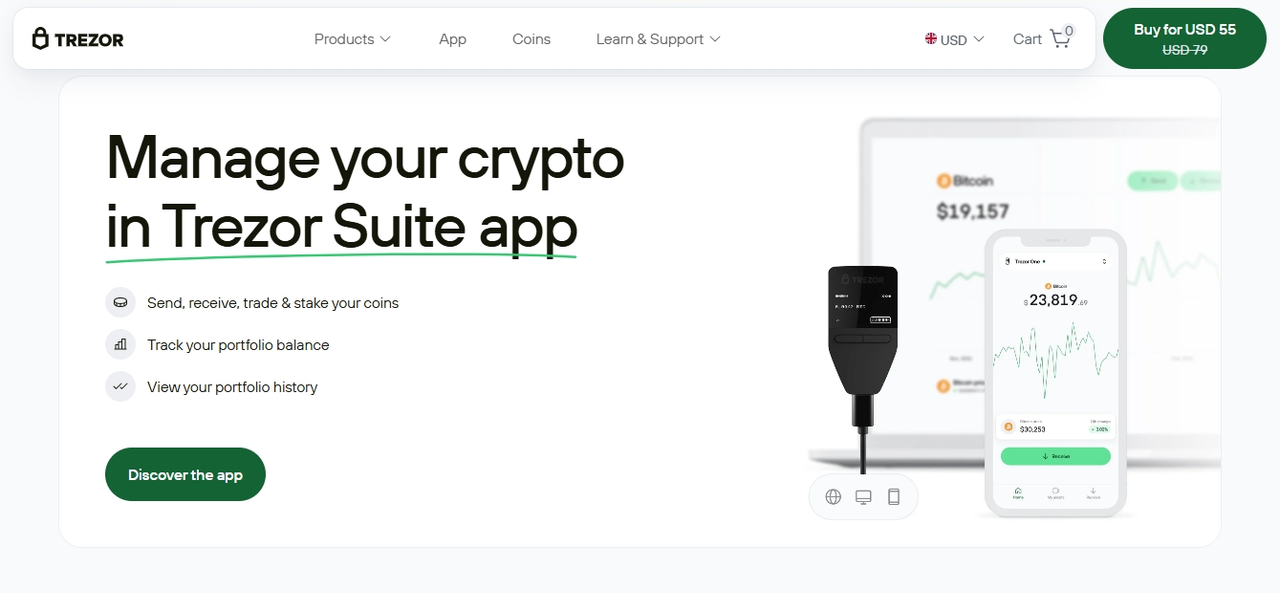
Trezor Suite: The Ultimate Cryptocurrency Management Platform
Introduction
Trezor Suite is the official companion application for Trezor hardware wallets, designed to give cryptocurrency users full control over their digital assets. Combining the security of offline storage with the convenience of a modern software interface, Trezor Suite allows users to manage multiple cryptocurrencies, send and receive funds, track their portfolio, and access advanced features such as staking and DeFi integrations.
Whether you are a beginner just entering the cryptocurrency world or an experienced investor managing a diversified portfolio, Trezor Suite provides a secure, user-friendly, and comprehensive solution. This guide explores everything you need to know about Trezor Suite, including setup, account management, transactions, advanced features, and security best practices.
What Is Trezor Suite?
Trezor Suite is a desktop and mobile application designed to interface seamlessly with Trezor hardware wallets such as the Trezor Model T and Trezor One. Its primary purpose is to give users secure and intuitive access to their cryptocurrency accounts while ensuring that private keys remain offline.
Key Features of Trezor Suite:
Secure Portfolio Management: Track multiple cryptocurrency accounts in one interface.
Transaction Authorization: All transactions require confirmation on the hardware wallet.
Account Management: Easily add, remove, or organize accounts for various cryptocurrencies.
Staking and DeFi Access: Stake supported assets and connect to decentralized finance platforms safely.
Firmware Updates: Keep Trezor devices up-to-date with the latest security and functionality improvements.
Trezor Suite is an essential tool for anyone looking to manage cryptocurrencies securely and efficiently.
Step 1: Download and Install Trezor Suite
To get started, download Trezor Suite from the official Trezor website (trezor.io/start) to ensure you are using a legitimate version.
Desktop: Available for Windows, macOS, and Linux
Mobile: Available for iOS and Android
Follow the installation instructions for your platform. Desktop installations function like standard applications, while mobile versions can be installed via the App Store or Google Play Store. Always avoid downloading from third-party sites to prevent exposure to malicious software.
Step 2: Connect Your Trezor Device
After installation:
Connect your Trezor hardware wallet using the supplied USB cable.
Unlock your device by entering your PIN directly on the hardware wallet.
Trezor Suite will detect the device and prompt you for authentication.
This step ensures that your login session and all operations are tied to a verified Trezor device.
Step 3: Initialize or Recover Your Wallet
If this is your first time using Trezor:
Open Trezor Suite and select Create New Wallet or Recover Existing Wallet.
Set a secure PIN for your device to prevent unauthorized access.
Generate or restore your recovery seed. The 12–24 word recovery phrase is crucial for recovering funds if the device is lost or damaged.
Always write down your recovery phrase and store it offline in a secure location. Never share your recovery phrase online or with anyone.
Step 4: Authenticate Your Device
Trezor Suite requires device authentication for secure access:
Open the relevant cryptocurrency app on your hardware wallet.
Verify that the address shown on your device matches the address in Trezor Suite.
Confirm the authentication on the Trezor device.
Authentication ensures that malware or unauthorized software cannot access your funds.
Step 5: Add Cryptocurrency Accounts
Trezor Suite supports multiple cryptocurrencies. To add accounts:
Navigate to the Accounts tab.
Click Add Account and select the cryptocurrency.
Trezor Suite scans the blockchain for any existing balances linked to your device.
Repeat the process for all cryptocurrencies you want to manage.
This centralized approach allows you to monitor multiple assets from a single interface.
Step 6: Sending and Receiving Cryptocurrency
Trezor Suite ensures secure transactions:
Receiving Funds:
Select the account to receive funds.
Click Receive and verify the address on your Trezor device.
Share this verified address with the sender.
Sending Funds:
Click Send, enter the recipient address and amount.
Verify transaction details on your Trezor device.
Confirm the transaction directly on the hardware wallet.
Every transaction requires physical confirmation on the device, ensuring security even if your computer is compromised.
Step 7: Staking and DeFi Integration
Trezor Suite allows users to access advanced cryptocurrency features:
Staking: Some supported cryptocurrencies, such as Tezos or Cosmos, can be staked directly through Trezor Suite. This allows users to earn rewards while keeping funds secure offline.
DeFi Integration: Connect to decentralized finance platforms safely, with all actions confirmed on the hardware device.
These advanced options extend Trezor Suite beyond a basic wallet interface, giving users more ways to grow and manage their portfolio.
Step 8: Firmware and App Management
Trezor Suite handles firmware updates for your device:
Firmware Updates: Essential for security and performance improvements. Trezor Suite provides a safe interface for updating the device.
App Management: Some cryptocurrencies require specific apps installed on the Trezor hardware wallet. Trezor Suite allows users to install, update, or remove apps as needed.
Keeping both your hardware wallet firmware and apps up-to-date ensures maximum protection against vulnerabilities.
Security Best Practices
To ensure your Trezor Suite experience remains secure:
Use Official Software: Only download Trezor Suite from Trezor.io/start.
Never Share PIN or Recovery Seed: Trezor staff will never ask for these online.
Verify Addresses: Always confirm transaction addresses on the Trezor device.
Update Regularly: Keep Trezor Suite and hardware firmware updated.
Use Secure Devices: Avoid public or shared computers for managing your wallet.
Following these best practices prevents unauthorized access and ensures the safety of your assets.
Troubleshooting Common Issues
While Trezor Suite is user-friendly, users may encounter occasional issues:
Device Not Detected: Check connections or use a different USB port.
Authentication Problems: Restart Trezor Suite and reconnect your device.
Transaction Errors: Confirm all details on the device before approving.
Firmware Update Failures: Retry updates with a fully charged device.
Trezor provides comprehensive support and official troubleshooting guides for safe resolution.
Benefits of Using Trezor Suite
Trezor Suite offers several key advantages over online wallets:
Maximum Security: Private keys remain offline at all times.
Centralized Management: Manage multiple accounts and cryptocurrencies in one interface.
Verified Transactions: Every transaction requires confirmation on the device.
Advanced Features: Staking, DeFi integration, and app management.
Portfolio Insights: Track balances, transaction history, and overall performance.
Trezor Suite, combined with a hardware wallet, provides users with convenience, control, and peace of mind.
Conclusion
Trezor Suite is the ultimate companion app for managing cryptocurrencies securely and efficiently. By pairing it with a Trezor hardware wallet, users can access multiple accounts, send and receive funds, stake supported assets, and connect to DeFi platforms—all while keeping private keys offline.
From device initialization and account management to advanced features and transaction verification, Trezor Suite offers everything needed for safe and convenient cryptocurrency management. Following best practices and keeping both software and firmware updated ensures that your assets remain protected.
For anyone serious about cryptocurrency security and portfolio management, Trezor Suite is not just a tool—it is an essential platform for safeguarding and optimizing digital assets.